Kentish Town Man And Van

Kentish Town man and van services are a practical way to move furniture, boxes and mixed household items within London and beyond, with the emphasis on careful handling, clear planning and a vehicle sized to suit the job. We support customers who need a straightforward move, an item collected from a property, or help with a small office relocation. The service is designed to be flexible, so it can suit one-off transport tasks as well as fuller moving days.
Our work centres on loading, transport and unloading, with attention paid to awkward access, heavier pieces and fragile belongings that need a steadier approach. A man and van can be useful when you want a simpler arrangement than a full removals team, but still need more than a basic courier. If you are comparing options, our man and van service gives a clear idea of the type of transport support available for local and longer-distance moves.
For a quotation, it helps to have a list of the larger items, the collection and delivery areas, and any access points that may affect loading. That information allows the right vehicle and enough time to be considered from the outset. If you already know the main details, you can make an enquiry and request a quote for your move.
House moves made straightforward
Many people use a Kentish Town man and van for home removals when the property is a flat, a small house, a studio or a move with only a manageable amount of furniture. The service can be scaled around the volume being moved, which makes it easier to keep the day focused and organised. It is often chosen for local domestic moves where the priority is getting possessions from one address to another without unnecessary complexity.
House moving work may involve beds, wardrobes, chests of drawers, sofas, tables and boxes of personal effects. Items can be moved as a single load or in a sequence where access is limited or parking is tight. Our home moves page covers the wider domestic move option, while the house removals service is suitable when you want a more structured moving arrangement for household furniture and contents.
Useful preparation is usually simple and practical. Keep pathways clear where possible, separate anything that should travel with you rather than the van, and make sure the most fragile pieces are identified before loading starts. If you are moving from a top-floor property or an address with restricted access, that information is worth sharing early. It helps the move proceed in a way that feels controlled rather than rushed.
Furniture, single items and small collections

A man and van is often ideal for collecting or delivering individual pieces of furniture, whether the item is newly purchased, being passed on, or moved between properties. This can include sofas, beds, cabinets, desks and white goods, provided the item fits the planned vehicle and can be loaded safely. The key advantage is that you are not arranging more transport than you need for a smaller job.
Some customers need help with one heavy item; others want several pieces moved together from a storage unit, retail outlet or private address. Our furniture pick-up service is suited to collection work, while removal services provides a broader option for mixed domestic or business transport needs. In both cases, the aim is to move items carefully and keep the process well matched to the load.
If you are unsure how much space a furniture move will need, it is useful to list dimensions where known and mention whether items can be dismantled. Legs, shelves and loose fittings should be secured before transport. When access is narrow or there are stairs, a small adjustment to timing or loading order can make the move smoother without changing the basic plan.
Packing support and the practical side of moving
Some moves need more than transport alone, particularly where the load contains breakables, mixed household goods or several rooms’ worth of packed items. Packing support can reduce the pressure on moving day by helping items travel in a way that is easier to stack and handle. The approach should be sensible rather than overcomplicated, with the packaging matching the contents and the journey.
Where helpful, our packing and unpacking services can sit alongside a man and van booking for customers who want extra support before or after the vehicle arrives. It may be relevant for kitchenware, ornaments, books, clothing, paperwork and other items that are better grouped and labelled before loading. Good packing does not have to be elaborate; it simply needs to suit the contents and the move.
To keep packing manageable, use sturdy containers, avoid overfilling boxes, and place heavier items in smaller cartons where possible. A sensible inventory can also help when several rooms or multiple people’s belongings are involved. For a quotation, the main thing is to note whether packing help is wanted in addition to transport, because that affects how the day is planned and how long loading may take.
Office and commercial moving tasks
Kentish Town man and van support can also be useful for smaller commercial moves, especially when a business needs to relocate furniture, archived materials, workstations or stock without a large removals operation. Office moving often benefits from a steady, methodical approach because equipment and documents need to arrive in an organised state. The service can be shaped around the amount being moved and the access available at both ends.
If your move involves desks, chairs, filing units or boxed office contents, our office removals page reflects that kind of work, while commercial moves suits broader business transport requirements. The scope can include small premises, satellite offices and ad hoc relocation tasks where transport needs are more modest than a full-scale commercial operation.
When planning a business move, it helps to separate essential items from everything else and decide what must travel first. That makes the schedule more workable and reduces the chance of key equipment being overlooked. If there are service lifts, loading bays or restricted hours, those details should be mentioned with the enquiry so the move can be matched to the site conditions.
About Kentish Town

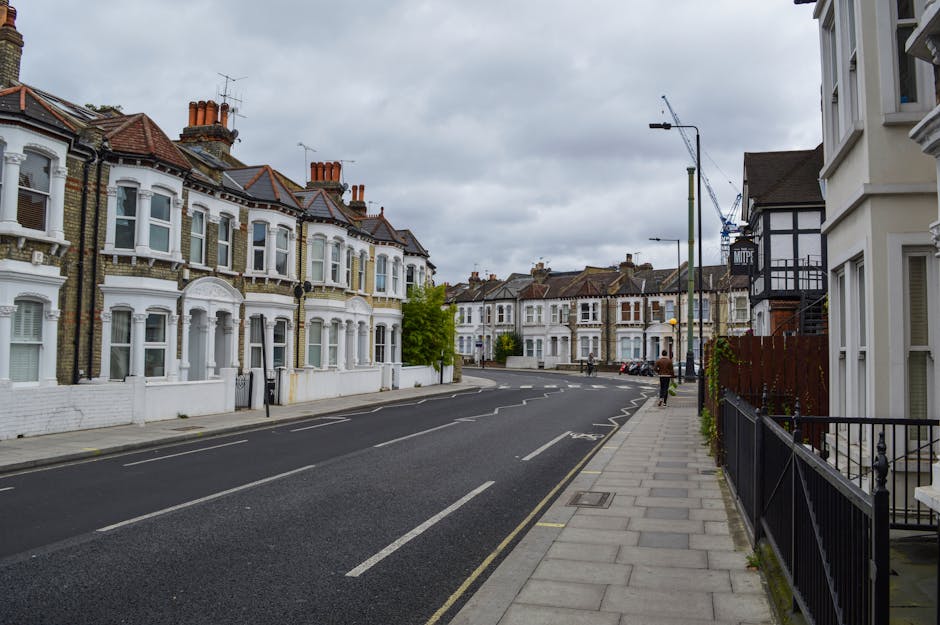
Kentish Town is a district in the London Borough of Camden, positioned between Camden Town, Gospel Oak, Tufnell Park and Highgate. Its name reflects a long history of settlement that developed along routes north of central London, and the area has grown into a densely built part of inner London with a mix of Victorian terraces, later housing, civic buildings and busy high street stretches. The district is shaped by its transport connections as much as by its streetscape, with Kentish Town station on the Thameslink route and Kentish Town West station on the mild side of the area giving it strong rail links to the wider city. The local landscape includes the valley of the River Fleet, now mostly hidden below ground, which historically influenced the topography and development pattern. Camden has also left a visible mark through schools, libraries and public buildings that sit alongside smaller independent shops and residential streets. Nearby cultural life is tied to the broader borough, with music venues, pubs, leisure facilities and parks contributing to a varied urban character. Hampstead Heath lies to the west and north-west, while Parliament Hill offers one of the best-known open viewpoints in London. The result is an area that combines everyday residential life with the layered geography and architecture typical of north London.
Understanding the area’s built form helps explain why streets here can feel compact and varied, with some roads opening into larger junctions and others narrowing into side terraces and mews-like back streets. That contrast is part of Kentish Town’s identity, and it also reflects the way the district has evolved over time from earlier rural edges into an established urban neighbourhood. Local landmarks, transport connections and mixed housing create a setting that is recognisably London while still retaining a neighbourhood character of its own.
How the service is planned
A well-organised man and van move begins with matching the vehicle and loading method to the contents. That means considering weight, bulk, number of stops and the space available outside each property. A smaller move may suit a simple load-and-go arrangement, while a larger household move may need a more deliberate sequence so that the heaviest items can be placed securely and the rest fitted around them.
Our moving van and removal van pages are relevant when you want to think about vehicle-led moving arrangements, while moving truck is useful for comparing larger transport capacity. Not every move needs the same format, so the purpose of the enquiry is to identify the most suitable setup rather than assume one fixed approach. That is especially true where access is shared, parking is limited or the load includes a mix of large and small items.
For the moving day itself, the main practical steps are simple: keep key items together, make sure the destination is ready to receive the load, and identify anything that needs extra care. If dismantling is required, make a note of it in advance rather than leaving it until the vehicle arrives. Clear information at the start helps the job run more smoothly and reduces the chance of last-minute changes.
Household contents, storage and mixed loads

Not every booking is a full house move. Some customers need mixed loads moved from a home, storage facility or inherited property, and a man and van can be a convenient way to handle that kind of work. It is especially useful when the items involved are varied in size and need a vehicle capable of taking furniture alongside boxed contents, suitcases or smaller loose goods.
Our removals page offers a broader overview of general moving work, while removals near me can help visitors quickly reach the general local removals option. Where the job is specifically about moving items out of storage or combining several sources into one delivery, the flexibility of the man and van format can make it a sensible middle ground between a parcel service and a full-scale removal operation.
The best way to approach mixed loads is to group items by room, purpose or fragility before moving day. That way, the vehicle can be loaded in a logical order and the destination can be unloaded more efficiently. If there are items that should be kept upright, protected from marks or separated from heavier boxes, note that at the quotation stage so the handling plan can take those needs into account.
Practical pricing factors and quotation details
Pricing for a Kentish Town man and van job is usually influenced by the amount being moved, the distance involved, access at each address and any extra handling required. A short local journey with a few items is very different from a multi-room move or a collection that includes stairs, parking restrictions or several stops. Clear details make it easier to shape a quotation that reflects the actual work rather than a rough assumption.
You can help the quote process by providing the collection point, delivery point, item list and any timing constraints. If the move includes appliances, dismantled furniture, fragile boxes or a requirement for help at both ends, mention that as well. For transport-only jobs, the main cost factors are normally capacity and journey length; for more involved jobs, loading complexity and the time on site can also matter.
Two simple steps are usually enough: first, outline what needs moving; second, say where it needs to go and whether there are access issues. If the plan changes after the initial enquiry, update the information before the job starts so the arrangement stays accurate. For a direct next step, pricing and quotes gives a place to begin checking the available options.
Recycling, safety and the final arrangements

Sometimes a move involves items that will not travel to the new address, such as unwanted furniture, surplus household goods or pieces being replaced during a larger clear-out. Where relevant, it can be helpful to think about sorting, reuse and responsible disposal before the van arrives. That reduces uncertainty on the day and keeps the moving load focused on what actually needs transport.
Our recycling and sustainability page covers the broader approach to handling materials responsibly, while insurance and safety is useful for understanding the precautions taken around handling and transport. These pages matter because they sit alongside the practical moving work: a well-planned job is not only about speed, but also about handling items in a sensible and careful way.
If you are ready to arrange a quote, the final step is to send the move details and confirm the kind of help you need. Plain, accurate information makes it easier to respond with the right option. You can request a quotation when you are ready, or use the general enquiry route if you would like to discuss the move before booking.
Further options for different moving needs
Some visitors need a slightly different variation of the same service, so it can be helpful to compare the main removals pages before deciding how to proceed. The terms man and van, man with a van and removal van are often used in similar ways, but the practical emphasis can differ depending on how much is being moved and whether the job is more transport-led or moving-led. That is why a clear description of the load matters more than the label alone.
For those comparing closely related options, man with a van and man with van are useful reference pages, while man and van removals and man with van removal suit visitors looking for removal-style wording. If you need to compare wider removals terminology, removal company and removal companies can also help set expectations about the kind of support available.
The most practical decision is not the wording, but the fit between the load and the service. A smaller move does not need unnecessary complexity, while a larger or more awkward one should not be underplanned. If the booking is time-sensitive, has multiple collection points or includes several bulky items, set that out clearly so the arrangement can be assessed properly rather than guessed.