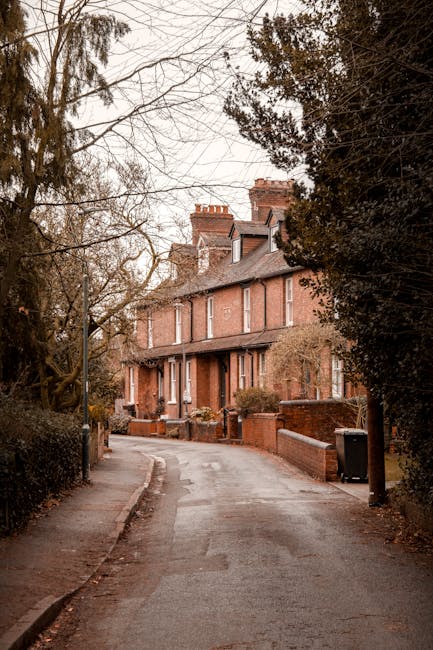
Kentish Town Road removals guide for narrow access
Posted on 29/04/2026
Kentish Town Road removals guide for narrow access: a practical, local-friendly moving plan
Moving on or near Kentish Town Road can look straightforward on a map and then feel awkward the minute you see the actual access. Tight stairwells, limited kerb space, busy traffic, basement flats, awkward corners, shared entrances, parked cars, and the usual London "somebody's just stopping here for two minutes" routine can all slow things down. This Kentish Town Road removals guide for narrow access is here to make the move feel manageable, not mysterious. If you are planning a flat move, a small office move, or even a same-day job in NW5, the difference is usually in the preparation.
To be fair, narrow access is rarely a deal-breaker. It just means you need a better plan than a standard doorstep-to-doorstep move. In the sections below, you'll find a clear breakdown of how to assess access, what equipment actually helps, how to avoid damage, and when to consider a smaller vehicle or a flexible man and van service in Kentish Town. You'll also find practical steps, a checklist, and a few real-world tips that save time, stress, and the odd bruised knuckle.
Expert summary: The smoother narrow-access move is usually the one that gets planned like a mini project: measure first, protect surfaces, choose the right vehicle, reduce the load, and keep everyone informed. Simple enough in theory. In practice, that's where the headache disappears.

Why Kentish Town Road removals guide for narrow access Matters
Kentish Town Road sits in a part of London where the built environment often works against easy moving. Older properties, converted flats, shared staircases, narrow hallways, and street parking pressures are all common. That matters because removals are not only about lifting boxes. They are about movement in the full sense: turning, carrying, parking, loading, protecting, and timing.
If access is tight and nobody has planned for it, small issues multiply. A sofa that would have taken five minutes can take twenty. A removal van that seemed "close enough" may be too large for the road position you need. A mattress might catch on a stairwell banister. One missing parking detail can throw the schedule off completely. Suddenly the move feels heavier than the furniture itself. We've all seen jobs like that, and honestly, nobody enjoys them.
That's why a narrow-access guide matters. It helps you spot bottlenecks before they become problems. It also gives you a practical way to compare options: full removal crew, man with a van in Kentish Town, small-van shuttle runs, or a more comprehensive removal service. Choosing well at the start usually saves more than trying to fix things on moving day.
There is also a customer confidence angle here. If you can explain the access issue clearly, the right mover can arrive better prepared. That means fewer surprises, safer handling, and a move that feels controlled rather than improvised.
How Kentish Town Road removals guide for narrow access Works
At its core, a narrow-access move works by reducing uncertainty. The team needs to know what can be carried, how far it must be carried, where the vehicle can stop, and whether any items need to be dismantled or split into smaller loads. That's the backbone. Everything else hangs off it.
A sensible process usually starts with an access check. This can be a simple walk-through, photos, a short video, or a call that covers the dimensions and the tricky bits: stairs, door widths, railings, lift size, turning space, and whether there is loading access outside. A good moving plan is not glamorous. It is quietly practical.
From there, the move is usually broken into a few workable decisions:
- What needs to be moved in one go and what can travel separately
- Whether items should be wrapped, dismantled, or protected before carrying
- Whether the van can park close enough for an efficient load
- Whether a smaller vehicle or multiple runs make more sense
- Whether specialist handling is required for items like a piano or heavy wardrobe
If you're moving from a flat, it can help to review a dedicated service such as flat removals in Kentish Town, especially where stair access is tight or there is no lift. For heavier items, furniture removals support can make the difference between a neat move and a scratched wall. Small detail, big result.
In practice, the work often feels like a sequence of short, careful decisions. Measure, confirm, protect, load, repeat. It sounds simple. It sort of is. But only if someone has already thought through the awkward bits.
Key Benefits and Practical Advantages
Narrow access planning does more than prevent problems. It actively improves the move. You get a cleaner workflow, better protection for your belongings, less waiting around, and fewer chances of damage to the property. That is the real value.
Here are the most useful benefits in plain English:
- Less risk of damage: If a hallway is tight, protection and sequencing matter more than brute force.
- Better time control: When the route and vehicle size are planned properly, the team can work steadily instead of stopping to improvise.
- Lower stress: You are not trying to guess whether the sofa will fit as the van idles outside.
- More suitable vehicle choice: A smaller vehicle or removal van option in Kentish Town may be more efficient than forcing a larger one into a difficult street setup.
- Better communication: Everyone knows what to expect, which keeps the day calmer.
There is also a money angle, even if we are not talking about exact pricing. Efficient access planning often reduces wasted time, which can help keep the job within the agreed scope. If you want to understand how quotes are typically structured, have a look at the site's pricing and quotes information. It is a sensible reference point before you book.
Another practical benefit is safety. Narrow access pushes people into awkward carrying positions. When you plan properly, you reduce the chance of slips, strains, and clumsy knocks against the walls. Not exactly thrilling stuff, but it matters.
Who This Is For and When It Makes Sense
This guide is for anyone moving in or around Kentish Town Road where access is not generous. That includes ground-floor shops with tight doorways, basement flats reached by steep stairs, top-floor apartments with narrow landings, and homes on streets where loading space is limited or unpredictable.
It makes sense if you are:
- Moving in or out of a converted Victorian or older property
- Dealing with a stair-only building
- Moving bulky items like wardrobes, beds, desks, or white goods
- Trying to complete a same-day or time-sensitive move
- Working with limited parking and a busy frontage
- Moving a student flat, a one-bed apartment, or a compact office
Students often underestimate narrow access because they are focused on volume, not layout. A stack of boxes is one thing; getting them down a skinny staircase in one trip is another. If that sounds familiar, the student removals service in Kentish Town is worth a look.
Likewise, if you are moving a family home or a larger furniture set, the broader house removals and furniture removals pages can help you work out what level of support fits the job.
Truth be told, if you've ever stood in a doorway wondering how on earth a wardrobe got into the room in the first place, you already know why access planning exists.
Step-by-Step Guidance
Here is a practical way to handle a narrow-access move without turning it into a drama.
- Measure the tricky spaces first. Check door widths, staircase landings, hallway turns, lift dimensions, and ceiling clearance where relevant. Don't guess. Measure.
- Identify the largest items. Sofas, beds, mattresses, wardrobes, fridges, desks, and pianos usually decide the plan more than the boxes do.
- Photograph the access route. A few clear photos of the street, entrance, stairs, and any tight corners can be more useful than a long explanation.
- Decide whether items should be dismantled. A bed frame that comes apart cleanly is far easier to move than one carried whole. Same for some tables and desks.
- Choose the right moving format. If the road is busy and the access is tight, a smaller team or a flexible man with a van in NW5 may be more practical than a larger operation.
- Book any specialist handling early. Items like pianos need extra care, extra protection, and often extra manpower. See piano removals in Kentish Town if that is part of your move.
- Prepare protection materials. Blankets, wraps, edge guards, floor protection, and tape should all be ready before loading starts.
- Keep the route clear. On moving day, remove loose rugs, small furniture, bins, and anything else that gets in the way.
- Allow more time than you think. Narrow access moves almost always benefit from a little breathing room. A ten-minute delay can become a thirty-minute delay if everyone is squeezed together in a hallway.
If storage is part of the plan, that should be decided early too. Temporary holding space can take pressure off a complicated move, especially if access at the new property is not ready yet. The storage options in Kentish Town are useful to review in that scenario.
One small but helpful habit: label boxes by destination room and priority, not just by contents. "Kitchen - first" is better than "misc.". You'll thank yourself later, probably with a cup of tea in a half-unpacked kitchen.
Expert Tips for Better Results
A good narrow-access move is often won in the details. Here are the tips that matter most.
- Use the smallest practical vehicle. Bigger is not always better in London. A vehicle that can park properly and unload cleanly can beat a larger van that blocks the street.
- Wrap before you carry, not after. Once an item is halfway down a stairwell, you do not want to be fiddling with straps or blankets.
- Protect corners and bannisters. A narrow staircase is where accidental scrapes happen. Cardboard edge protection or padded covers help a lot.
- Break the load into logical groups. Boxes first, light furniture next, awkward items last. That rhythm keeps the move tidy.
- Keep one person free to guide. In a tight stairwell, a spotter can prevent bumps and bad angles. It sounds simple because it is.
- Check if access changes by time of day. Morning rush, school runs, and local parking patterns can make a very real difference on Kentish Town Road and nearby streets.
It also helps to work with a team that understands the local area and the tempo of NW5. If you want to see the wider service picture, the services overview is a useful starting point, and the Kentish Town Man and Van NW5 page gives a clearer sense of the local coverage.
One slightly old-school tip still holds up: keep kettle access and tea supplies at the front of the new place. Not a moving strategy as such, but a calm cup of tea can make the first hour feel less chaotic. London moves are rarely elegant, but they can be decent.

Common Mistakes to Avoid
Most narrow-access headaches come from a handful of predictable mistakes. Avoid these and you're already ahead.
- Assuming the van can stop right outside. Street reality is often less cooperative than the plan.
- Not checking stair dimensions. That "probably fits" attitude is how people get stuck halfway up the stairs.
- Leaving bulky items assembled. Many items are only awkward because nobody took them apart in time.
- Forgetting about parking and loading time. Narrow access is not only a carrying problem; it is a waiting problem too.
- Packing too much into weak boxes. Heavy boxes on tight stairs are miserable, and they fail when you least want them to.
- Ignoring insurance and safety details. If something goes wrong, you'll want to know what cover and process are in place.
Another mistake is overconfidence. That sounds harsh, but it is common. People look at a hallway and think, "fine, easy." Then a sofa takes one corner turn too tightly and suddenly everybody is repositioning. Again. And again. Narrow access has a way of humbling even the best-laid plan.
For that reason, it is smart to review the mover's safety approach before the day arrives. The site's insurance and safety information and health and safety policy can help set expectations in a sensible way.
Tools, Resources and Recommendations
You do not need a warehouse of equipment to make a narrow-access move work. You do need the right few items and a bit of planning discipline.
| Tool or resource | Why it helps | Best used for |
|---|---|---|
| Furniture blankets | Protects finishes from scuffs and knocks | Tables, cabinets, beds, wardrobes |
| Stretch wrap | Keeps drawers, doors, and loose parts secure | Cabinets, shelving, stacked items |
| Edge guards | Reduces damage to walls and door frames | Narrow staircases and tight turns |
| Dolly or sack truck | Helps move heavier items more efficiently | Short flat routes and level loading areas |
| Box labels | Speeds up unloading and room placement | Any residential or office move |
On the planning side, a few resources are worth keeping in mind. If you are comparing service styles, the pages for man with van, man with a van, and removals in Kentish Town can help you decide what level of support fits your move. If you need packing supplies first, the packing and boxes page is a sensible next stop.
If you are trying to choose between service types, the website's own blog and service pages can help you cross-check the details, including local context like what locals say about life in Kentish Town. Sometimes that kind of area knowledge matters more than people expect.
Law, Compliance, Standards, or Best Practice
For home or office removals, the big compliance themes are usually safety, liability, access permissions, and honest communication about what the mover can and cannot do. You do not need to become a legal expert, but it is sensible to understand the basics.
In practical terms, that means:
- Checking whether any parking or loading restrictions affect the move
- Making sure the mover has the right insurance for the job
- Confirming how fragile, oversized, or high-value items will be handled
- Being clear about who is responsible for preparation, access, and notifications
- Following reasonable safety steps when lifting, carrying, and loading
For professional operators, clear policies are a strong trust signal. If you are reviewing a provider, the pages on about us and terms and conditions can tell you a lot about how the business works before you book. That matters because narrow access often leaves less room for misunderstanding.
There is also a sustainability angle worth noticing. When a move is planned well, there is less wasted travel, fewer broken materials, and less unnecessary packaging. The recycling and sustainability information is useful if you want to reduce waste during the move, which, fair enough, many people do now.
If you are ever unsure about a specific restriction on your street or property, check locally rather than guessing. London streets can change quickly, and the person who assumes is usually the person who ends up standing by a van wondering where the loading bay went.
Options, Methods, or Comparison Table
There is no single best way to handle narrow access. The right approach depends on the size of the move, the property layout, and how much lifting or dismantling is involved.
| Method | Best for | Pros | Trade-offs |
|---|---|---|---|
| Small van with flexible loading | Compact moves, limited parking, single-room moves | Easier on tight streets, often quicker to position | May require more careful load planning |
| Full removal service | House moves, larger flats, multi-room jobs | More hands, more structure, better for bulky items | Needs clearer coordination and may be more involved |
| Split-load or shuttle method | Very tight access or multiple trips from a difficult property | Useful when one vehicle cannot get close enough | Can take longer and needs strong organisation |
| Specialist item handling | Pianos, large furniture, awkward or delicate items | Better protection and safer handling | Usually requires extra planning and care |
If your move is simple and only a few items are involved, a smaller format can be ideal. If you are shifting the contents of a flat, or juggling stairs and narrow landings, a fuller removals setup may be the smarter call. There is no prize for making it harder than it needs to be.
Sometimes the best answer is also the least dramatic one: remove a few bulky pieces in advance, use storage for the awkward overlap, and then complete the rest once access is clear. That approach saves a lot of grief.
Case Study or Real-World Example
Imagine a one-bedroom flat just off Kentish Town Road with a narrow entrance corridor, a tight turn into the living room, and a stairwell that does not like oversized furniture. The move includes a bed frame, mattress, two shelving units, a desk, a small sofa, and around twenty boxes. Nothing unusual. Nothing tiny either.
The first useful move is not loading the van. It is checking the route. The bed frame is dismantled the day before. The shelves are emptied and wrapped. The desk is measured and confirmed as a two-person carry. The sofa turns out to be the real issue, so the mover plans for a careful angled carry with the landing clear. On the day, the van is parked as near as possible without blocking the wrong bit of road, and the team works from the smallest items to the trickiest.
What changes the day is not strength. It is sequencing. By the time the sofa appears, the route is already protected and the stairwell has been cleared. The move still takes patience, because narrow access is narrow access, but the job stays under control. Nobody is racing the clock. Nobody is lifting blind.
That kind of move is common in NW5. A similar approach can help with larger furniture jobs too, especially if you are using house removals support or preparing items in advance through a furniture-focused service. In our experience, the calmer the prep, the better the result. Simple as that.
Practical Checklist
Use this checklist before moving day. If you can tick most of it off, you are in good shape.
- Measure all doorways, stairwells, and landings
- Confirm where the van can legally and safely stop
- Identify the largest and heaviest items
- Dismantle furniture where possible
- Pack boxes to a sensible weight
- Label boxes by room and priority
- Protect floors, walls, corners, and bannisters
- Prepare blankets, wrap, tape, and tools
- Tell the mover about any awkward access points
- Arrange storage if the move is being split
- Keep pathways and entrances clear on the day
- Allow extra time for parking, loading, and stair movement
Quick reminder: If the access looks tight in person, it probably is tight. Plan for the awkward version of the move, not the optimistic one.
Conclusion
Moving with narrow access on Kentish Town Road does not have to be stressful. It just needs a sensible plan, the right equipment, and a realistic view of the space you're working with. Measure carefully, protect properly, choose the right service format, and keep the route clear. That alone removes most of the drama.
If you are comparing local help, the site's service pages and support information are a good next step, especially if your move includes furniture, boxes, storage, or a last-minute schedule shift. And if you want a clearer picture of the business before you book, the pages on customer feedback and service options are useful places to start. A bit of homework now saves a lot of hassle later.
Get a free quote today and see how much you can save.
And if all else fails, remember this: a calm move in London is possible. Rare, maybe. But possible.